Essential Pool Equipment Maintenance Tasks for Homeowners
Joe Howard -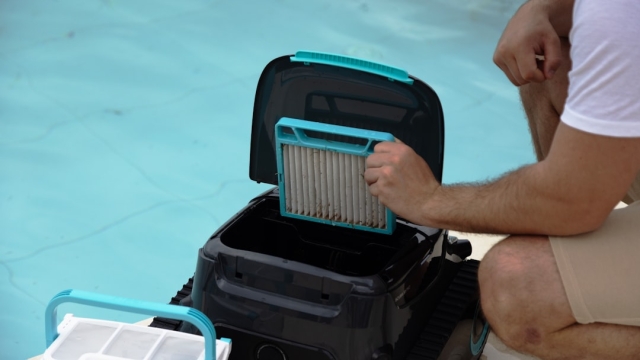

Maintaining a pool is essential for ensuring a clean, safe, and enjoyable swimming experience. Regular pool equipment maintenance not only prolongs the life of your pool system but also enhances its efficiency. Taking proactive steps in caring for your pool equipment can save you time, money, and hassle in the long run. In this article, we will explore essential maintenance tasks that homeowners can undertake, common issues that may arise with pool equipment, and when it might be appropriate to seek professional assistance.
Essential Pool Equipment Maintenance Tasks for Homeowners
Homeowners can perform several key tasks to keep their pool equipment in optimal condition. Here are some essential maintenance practices:
1. Regular Cleaning
Cleaning is one of the most critical components of pool equipment maintenance. This includes skimming the surface of the pool to remove debris, brushing the walls and floor to prevent algae buildup, and vacuuming to keep the water clear. Maintaining clean water not only enhances the aesthetic appeal of your pool but also reduces strain on the filtration system.
2. Checking Water Levels
Proper water levels are crucial for the efficient operation of pool equipment. Regularly check the water level to ensure it is neither too high nor too low. Ideally, the water should be at the midpoint of your skimmer opening. If the water level drops significantly due to evaporation or splashing, refill it as needed.
3. Inspecting and Maintaining Filters
Filters play a vital role in keeping your pool water clean. Depending on the type of filter (sand, cartridge, or diatomaceous earth), maintenance tasks may vary. Generally, it is recommended to clean or replace the filter media periodically and backwash the filter if applicable. A clogged filter can lead to poor circulation and increased energy costs.
4. Monitoring Chemical Balance
Maintaining the correct chemical balance is essential for water safety and equipment longevity. Regularly test the pool water for pH, chlorine, alkalinity, and other chemical levels. When imbalances occur, adjust the chemicals accordingly to prevent corrosion of pool equipment and ensure swimmer safety.
Common Pool Equipment Issues and Troubleshooting Tips
Even with diligent maintenance, issues may still arise with your pool equipment. Here are some common problems and troubleshooting tips:
1. Low Water Flow
If you notice a decrease in water flow, check for blockages in the skimmer or pump basket. Ensure that the filter is clean and that there are no obstructions in the plumbing lines. If the problem persists, it could indicate a malfunctioning pump or a more serious plumbing issue.
2. Cloudy Water
Cloudy water is often a sign of poor filtration or imbalanced chemicals. First, test the water and adjust the chemicals as necessary. If the water remains cloudy after treatment, inspect the filter to ensure it is functioning correctly and isn’t due for cleaning or replacement.
3. Equipment Noise
Unusual noises from the pump or other equipment can indicate a problem. Check for loose parts, debris lodged in the impeller, or low water levels that might cause the pump to run dry. If you cannot determine the cause, it may be best to consult a professional.
When to Hire a Professional for Pool Equipment Maintenance
While many maintenance tasks can be performed by homeowners, there are instances when hiring a professional is advisable. Consider seeking expert help in the following scenarios:
1. Complex Repairs
If your pool equipment is experiencing complex issues such as electrical problems, significant leaks, or pump failures, a trained technician should handle the repairs. Attempting to fix these issues without proper knowledge can lead to further damage and safety concerns.
2. Time Constraints
Not everyone has the time or resources to dedicate to regular maintenance. If your schedule is tight, consider hiring a professional service to ensure your pool equipment receives the care it needs without adding stress to your routine.
3. Infrequent Usage
If you use your pool infrequently, you might not be aware of the specific maintenance requirements. A professional can provide valuable insights and ensure that your equipment is ready for use whenever you decide to swim.
Summary of Best Practices for Maintaining Pool Equipment
Effective pool equipment maintenance is a combination of regular cleaning, monitoring chemical balance, and addressing issues promptly. By performing essential maintenance tasks and knowing when to seek professional help, you can ensure your pool remains a safe and enjoyable oasis. For those looking for support with their pool equipment maintenance, exploring professional services can also provide peace of mind and expert assistance.
For more information on pool equipment maintenance and to explore available services, consider visiting this resource to find tailored solutions for your needs.
Leave a Reply
You must be logged in to post a comment.